By Johan Krijgsman on 28 Aug 2026, 17:16:58
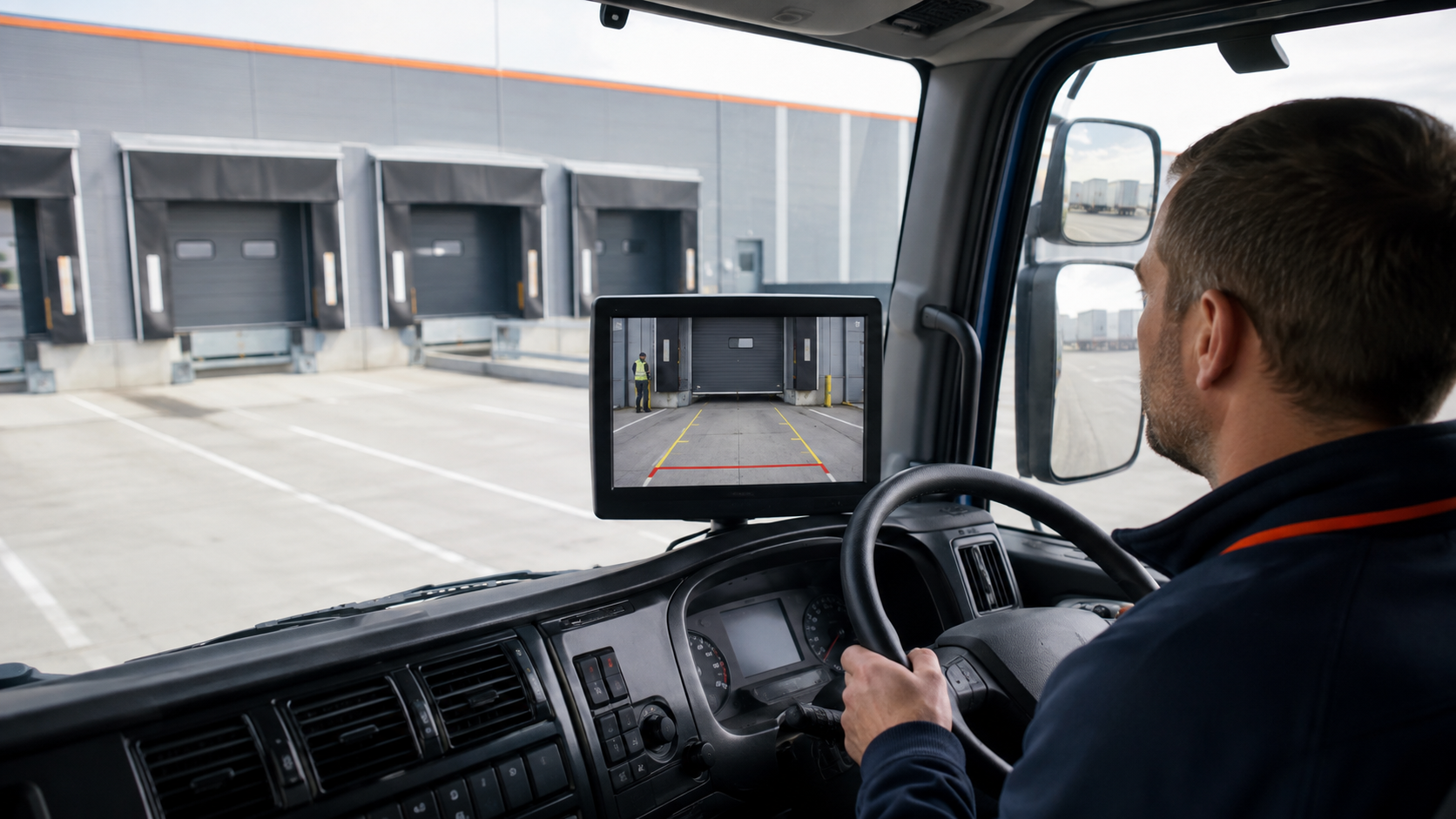
Reducing fuel consumption starts with understanding driving behavior
Which driver drives the fastest? And which driver uses the most fuel? It’s often assumed that the answer to both questions is the same. However, vehicle data often reveals something different. It’s not the driver with the heaviest foot on the gas pedal, but the one who idles for long periods with the engine running who may ultimately consume the most fuel.
Without reliable data, this remains hidden. By understanding driving behavior, idling, and vehicle usage, you can identify where fuel, money, and CO₂ emissions are being wasted unnecessarily.
Measuring CO₂ is becoming increasingly important
Clients are increasingly asking for insight into the CO₂ emissions of transportation. Developments such as the truck toll also make it important to gain control over vehicle usage and fuel consumption.
Many transport operators know they need to address this, but they put off taking the first step. This is understandable: day-to-day operations demand their full attention, profit margins are under pressure, and data analysis isn’t part of a transport company’s core business.
Still, measuring CO₂ doesn’t have to be complicated. With the right vehicle data and expert guidance, it quickly becomes clear where improvements can be made.
Measuring driving behavior isn’t just for large fleets
CO₂ reporting and driving style analyses are sometimes seen as solutions for large organizations with their own data specialists. But for small and medium-sized businesses and family-owned companies in particular, even a relatively small savings can make a big difference right away.
You don’t need to be a data analyst. What matters is that you receive the right information in a clear, organized way and know what actions to take based on it. Consider, for example, insights into:
- idling;
- speed and anticipatory driving;
- hard acceleration and braking;
- trips, routes, and stop times;
- fuel consumption per vehicle or driver;
- performance trends over a longer period.
This data reveals where the actual costs arise. This sometimes yields surprising insights.
The biggest fuel consumer is sometimes the one that’s mostly idle
During a webinar on the CO₂ Measurement and Improvement program, Arie Blok, road transport manager at Braanker Logistics, shared a relatable real-world example.
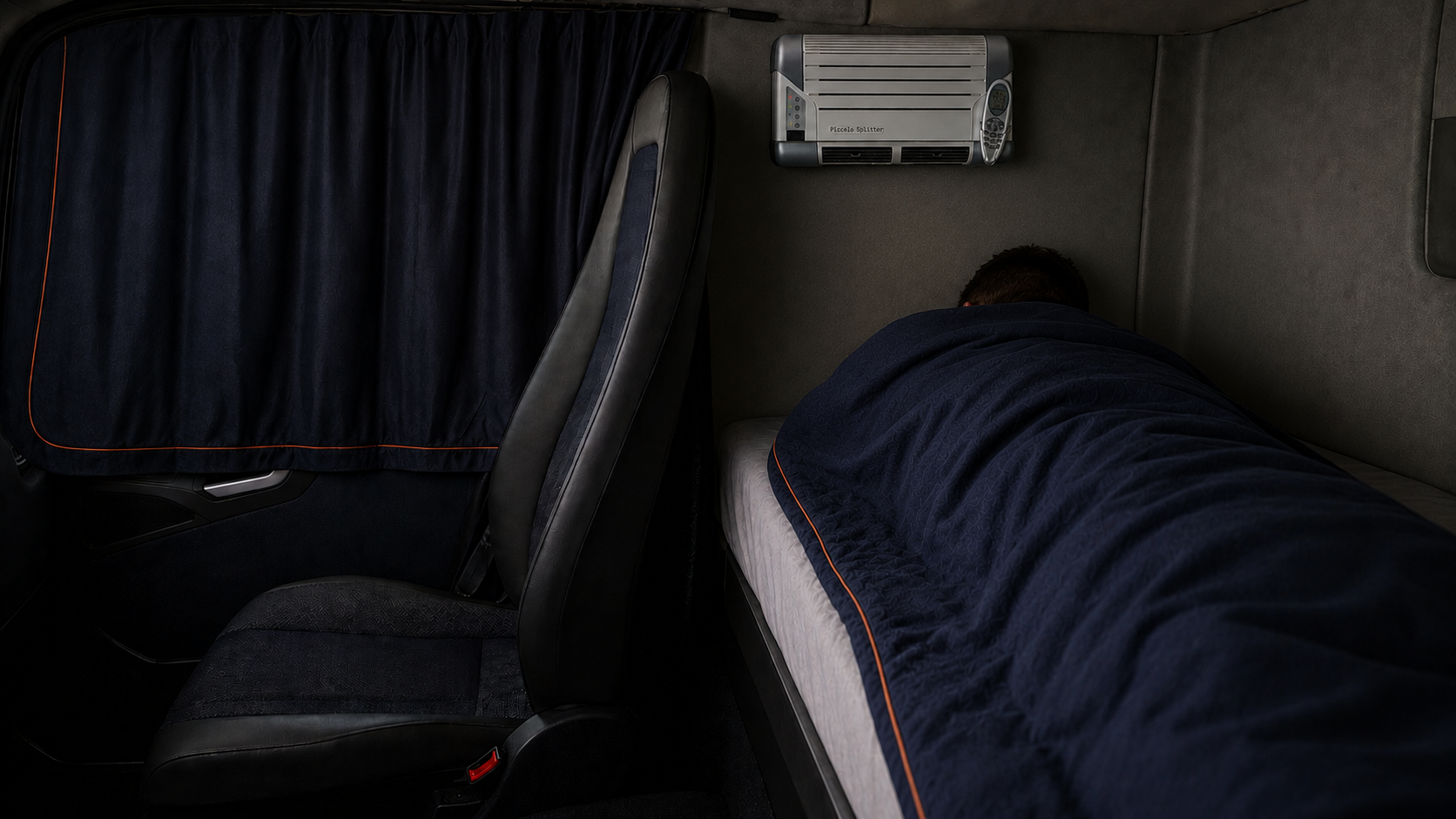
The driver who drives the fastest doesn’t always end up using the most diesel. A vehicle that sits idle for a long time with the engine running for heating or air conditioning can consume a lot of fuel without anyone noticing. On an annual basis, those costs per driver and vehicle add up significantly.
Without data, this is hardly noticeable. As soon as consumption becomes visible, you can have a conversation based on facts—not to reprimand drivers, but to work together to identify ways to operate more efficiently and economically.
From Monitoring to Targeted Coaching
Driving style data is only valuable when used in a positive way. A report should therefore not be a checklist for evaluation, but a tool for coaching and improvement.
Using objective data, you can discuss with drivers:
- why a vehicle consumes a relatively large amount of fuel;
- when the engine is idling unnecessarily;
- how smoother acceleration and anticipatory driving make a difference;
- where routes, stops, or work processes can be optimized;
- which improvements have already been implemented.
This fosters a more honest conversation—not based on assumptions or gut feelings, but on what’s actually happening. This raises awareness and helps drivers actively contribute to lower costs, greater safety, and reduced CO₂ emissions.

EasyTrack and EasyDrive make improvement measurable
With EasyTrack, Rietveld consolidates vehicle and trip data into a single centralized online environment. The EasyDrive Add-on analyzes drivers’ driving behavior and provides insight into trends.
This allows you to focus on factors such as fuel consumption, idling, speed, braking behavior, and other factors that influence costs, safety, and sustainability. Reports make results measurable and help you provide targeted guidance to drivers.
This offers concrete benefits:
- lower fuel consumption;
- lower CO₂ emissions;
- lower operating costs;
- greater awareness among drivers;
- safer and more relaxed driving behavior;
- well-documented reports for clients;
- greater control over your fleet’s performance.
Participate in CO₂ Measurement and Improvement
As a telematics provider, Rietveld is involved in the “CO₂ Measure and Improve” program organized by Connekt and the Top Sector Logistics. The program supports transportation companies in collecting, understanding, and utilizing vehicle data.
Upon enrollment, five vehicles will be equipped with EasyTrack telematics. The vehicle data serves as the starting point for analysis and improvement. A consultant will help you interpret the figures and identify specific improvement actions.
The equipment and installation for the first five vehicles are covered by the program. You pay no subscription fees for the first three months. After that, the subscription fee is a maximum of €12.50 per vehicle per month. Your own investment consists mainly of the time needed to review the reports and implement improvements.
What benefits can your organization expect?
By actively applying these insights, stop times can be reduced, routes can be planned more efficiently, and drivers can receive more targeted coaching. In practice, fuel savings of approximately 5% may be achievable.
What that means for your organization depends on your fleet, operations, and current fuel consumption. With substantial annual diesel consumption, even a small percentage improvement can quickly result in significant savings.
The greatest gains don’t come from working harder, but from gaining a better understanding of what happens on the road.
Working Together Toward a Smarter and More Sustainable Fleet
Would you like to know where fuel, costs, and CO₂ emissions can be reduced in your fleet? Our specialists will work with you to assess your current vehicle usage, available data, and your goals.
With EasyTrack, EasyDrive, and expert guidance, we make improvements practical, understandable, and measurable.
Together, we’ll strengthen your fleet—making it smarter, safer, and more sustainable.
Discover where your savings opportunities lie
Would you like to participate in the CO₂ Measure and Improve program, or would you prefer to discuss what driving style analysis can offer your organization first?
Together, Skilled, Moving forward >
Webinar Recap: Measuring and Reducing CO₂ | Rietveld

2G Is Ending: Get Your Fleet Ready for 4G in Time | Rietveld